Introduction
Choosing the right air conditioning system for a home or business in Parramatta NSW requires understanding the options, how they perform in our local climate, installation implications, ongoing maintenance needs, and relevant regulations in 2025. This guide explains the main types of air conditioners, compares their advantages and disadvantages, and provides practical advice on air conditioning installation, service, repair, and maintenance specific to the Parramatta area.
Why system type matters in Parramatta
Parramatta experiences hot, humid summers https://airconinstallationparramatta.com.au/ac-repair/ and mild winters. Energy efficiency, cooling capacity, humidity control and noise levels are critical considerations. The wrong system can lead to higher energy bills, discomfort and increased frequency of air conditioning repair or service. New energy-efficiency standards and incentive programs in 2025 also influence the best choices for homeowners and businesses.
Main types of air conditioning systems
Split (ductless) systems
Also known as mini-split systems, ductless units consist of one outdoor condenser and one or more indoor wall-mounted units. They are popular in Parramatta for targeted cooling of rooms or zones without ductwork.
- Advantages: High efficiency, flexible zoning, easy installation for retrofits, quiet indoor units, lower running costs when used for selective cooling. Disadvantages: Higher upfront per-room cost compared with some central systems when cooling many rooms, visible indoor units on walls. Best for: Apartments, heritage homes where ducts are impractical, single rooms or zoned cooling in modern houses.
Split (ducted) systems
Ducted split systems use a single outdoor condenser connected to an indoor air handler and a network of ducts and vents to distribute conditioned air throughout the building.
Advantages: Whole-home or whole-office temperature control, discreet ceiling or floor vents, good humidity control.
Disadvantages: Require ductwork installation or retrofit (which can be disruptive), potential energy losses if ducts are poorly insulated or leak.
Best for: Larger homes and commercial spaces that require uniform temperature control and a concealed aesthetic.
Multi-split systems
Multi-split systems connect one outdoor unit to multiple indoor units of various types (wall, floor, cassette). They combine benefits of ductless split units with central control convenience.
Advantages: Flexible system design, centralised outdoor footprint, independent room control.
Disadvantages: Complexity of design may increase installation cost; servicing multiple indoor units can be more time-consuming for technicians.
Packaged systems
Packaged systems contain all major components in one outdoor cabinet. These are typically used for commercial buildings or small homes where indoor space is limited.
Advantages: Compact, easier to install on rooftops or service yards, suitable for commercial applications.
Disadvantages: May be less efficient than split systems for residences; access for maintenance may be more constrained.
Reverse cycle (heat pump) systems
Most modern split and ducted systems sold in Australia are reverse cycle, meaning they provide both cooling and heating using a heat pump. Given Parramatta's mild winters, reverse cycle systems offer year-round comfort and are more efficient than separate heating systems.
Advantages: Efficient heating and cooling in one unit, reduced need for separate heaters.
Considerations: Ensure correct sizing and installation to avoid inefficiencies during peak summer or winter conditions.
Evaporative cooling
Evaporative coolers (swamp coolers) use water evaporation to cool air and work best in low-humidity environments. In Parramatta's humid summers, their effectiveness is limited, and they are rarely recommended as the primary cooling method.
Advantages: Low energy consumption in suitable climates.
Disadvantages: Reduced performance in high humidity, potential for higher indoor humidity levels, regular maintenance to prevent microbial growth.
Key factors when choosing a system
Consider these practical factors when selecting an air conditioner for a Parramatta property:
Size and capacity: Proper air conditioner maintenance and long-term efficiency depend on correct sizing (measured in kW). Oversized units cycle too frequently and reduce comfort; undersized units struggle on hot days. Energy efficiency: Look for high star-rated systems and high SEER/HSPF or equivalent ratings. In 2025, energy-efficiency standards and available rebates may favour higher-rated units. Humidity control: Systems with good dehumidification maintain comfort in Parramatta’s humid summers. Noise levels: Consider both indoor and outdoor noise, especially for units installed near bedrooms or neighbouring properties. Zoning needs: Multi-split or ducted zoned systems can reduce running costs by cooling only occupied areas. Installation constraints: Access for an air con installer, available outdoor space, and existing ductwork influence cost and feasibility.Installation: what to expect
Air conditioning installation in Parramatta is regulated. Licensed installers must follow Australian Standards (e.g., AS/NZS 3666 for indoor air quality; refrigeration handling codes) and local council requirements when installing external units. A reputable air con installer will perform a load calculation (AccuRate or Manual J equivalent), present options for system capacity, location of outdoor units, and ducting/vent placement if needed.
Typical installation steps include site assessment, electrical and structural checks, refrigerant gas handling by a certified technician, commissioning of system controls, and demonstration of operation to the owner. Obtain written quotes that clearly state warranty, compliance certificates and the scope of the installation.
Service, repair and maintenance
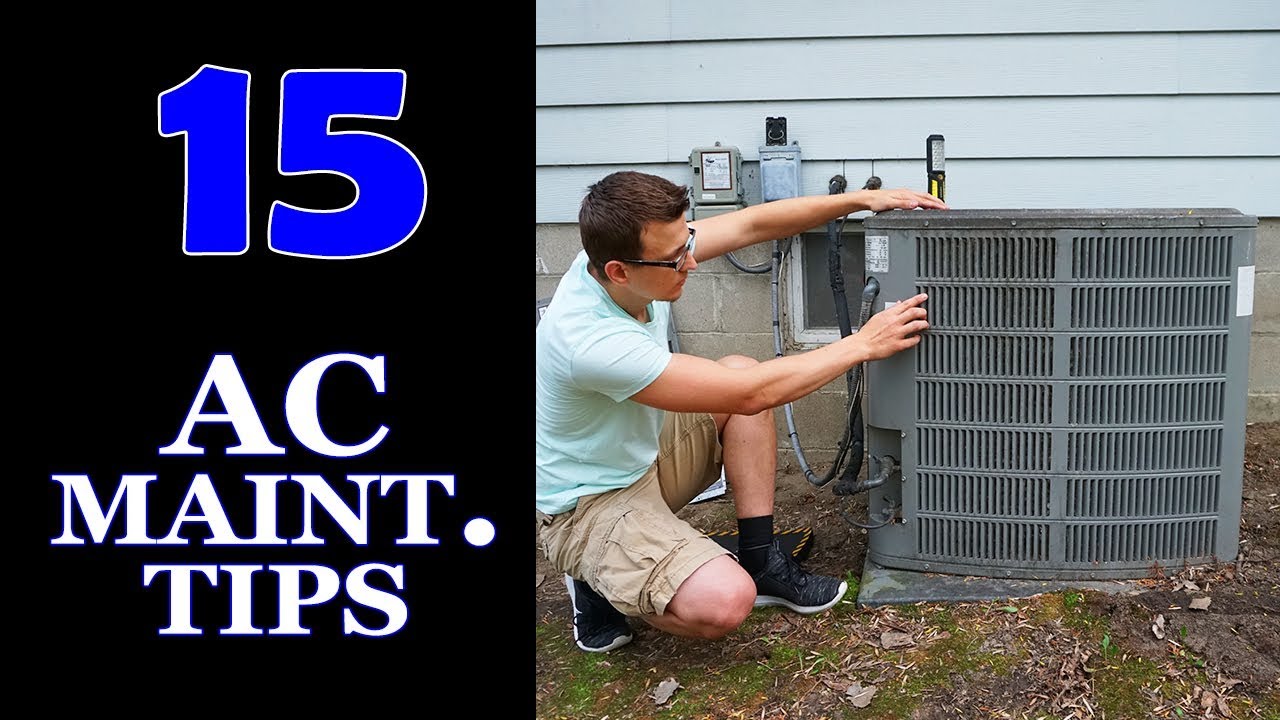
Regular air conditioning service and air conditioner maintenance are essential to keep systems efficient, extend lifespan, and reduce the likelihood of breakdowns. A maintenance routine in Parramatta should include:
- Filter cleaning or replacement every 1–3 months depending on use and indoor air quality. Annual or biannual professional service for refrigerant checks, coil cleaning, drain line clearing and electrical safety checks. Prompt air conditioning repair if you notice reduced cooling, unusual noises, water leaks, or increased energy bills.
In 2025, many service providers use digital diagnostic tools and refrigerant leak detection equipment; ensure your technician is licensed to handle refrigerants and provides a full service report.
Energy efficiency incentives and regulations (2025)
As of 2025, federal and NSW-level incentives encourage installation of higher-efficiency systems and, in some cases, electrification of heating from gas. Check NSW government programs and local council incentives in Parramatta for rebates or interest-free financing for energy-efficient upgrades. Also confirm compliance with current refrigeration gas handling regulations and efficiency labelling rules when selecting a unit.
Common myths and practical clarifications
Myth: Bigger capacity always cools faster.
Fact: Oversized units shorten run cycles, impair dehumidification and often increase energy costs.
Myth: Ducted systems are always more efficient.
Fact: Efficiency depends on design, duct sealing and insulation; poorly sealed ducts can negate advantages.
Choosing a local air con installer in Parramatta
When hiring an air con installer in Parramatta NSW, consider these actionable steps:
Verify licensing and refrigerant handling credentials. Ask for references and recent local installations similar to your property. Request a detailed quote that includes load calculations, equipment models, warranty details and a maintenance plan. Confirm the installer provides post-installation commissioning and a written service schedule.
Final checklist before installation
Use this quick checklist to prepare for air conditioning installation:
- Confirm system sizing and energy rating on the quote. Check outdoor unit placement for airflow, noise and council compliance in Parramatta. Ensure access for maintenance and that warranties are in writing. Plan for regular air conditioning service and an annual maintenance contract to reduce the need for emergency air conditioning repair.
Summary
Selecting the right air conditioning system for Parramatta NSW in 2025 involves matching system type to building layout, climate needs and budget while prioritising energy efficiency and proper installation. Whether you need a single-room ductless unit, a whole-home ducted system, or a multi-split solution, engage a licensed air con installer, arrange regular air conditioner maintenance, and keep up-to-date with local incentives and regulations. Proper planning and ongoing service minimise the chance of unexpected air conditioning repair and maximise comfort and efficiency year-round.
If you would like personalised advice or a site assessment in Parramatta, contact a licensed local installer to schedule a professional consultation and written quote.