Living in Parramatta NSW, reliable air conditioning is essential during hot summers and humid months. Before scheduling an air conditioning repair call, many common problems can be diagnosed and in some cases resolved at home. This guide provides clear, practical troubleshooting steps, safety advice, and guidance on when to contact a licensed air con installer or technician for professional air conditioning service and air conditioner maintenance in Parramatta.
Safety first: basic precautions before troubleshooting
Working with electrical appliances and refrigerant systems involves risks. Follow these safety measures before attempting any troubleshooting:
- Turn off power: Switch off the air conditioner at the wall isolator and at the main switchboard when inspecting internal components. Use protective gear: Wear insulated gloves and eye protection when handling electrical parts or clearing debris from the outdoor unit. Know your limits: If you suspect refrigerant leaks, electrical faults, or if the job requires refrigerant handling, contact a licensed technician. In Australia, refrigerant work must be carried out by refrigerant-handling licensed tradespeople.
Quick diagnosis checklist: what to check first
Before calling an air con installer, run through this simple checklist. These steps often resolve the most common issues and will help the technician if a service call is needed.
Ensure the thermostat is set correctly — mode, temperature, and timer settings. Check the power supply — circuit breakers, switches, and power isolator to the outdoor unit. Inspect air filters — dirty filters restrict airflow and can cause weak cooling or freezing coils. Verify outdoor unit airflow — clear leaves, debris or obstructions around the condenser. Listen for unusual noises — rattles, grinding or gurgling can indicate loose parts, motor issues or refrigerant problems.Common air conditioning problems and how to troubleshoot them
1. Unit won’t turn on
Symptoms: No power, display blank, unit does not respond to remote controls.
Troubleshooting steps:
- Check power: Confirm the wall isolator and main switchboard breaker are ON. Reset tripped breakers. Remote control and batteries: Replace remote batteries and ensure remote is pointed at the indoor unit. Try the manual control on the unit if available. Timer and sleep settings: Ensure timer or program settings are not preventing startup. Fault codes: Many modern systems display error codes. Note any code and refer to your unit’s manual or contact your air conditioning service provider in Parramatta for interpretation.
2. Weak or reduced airflow
Symptoms: Airflow feels weak from vents, uneven cooling between rooms.
Troubleshooting steps:
- Clean or replace filters: Clogged filters are the most common cause — clean washable filters or replace disposable ones. Check return air vents: Ensure furniture or curtains aren’t blocking vents, and confirm doors between zones are open for even airflow. Inspect ductwork: Visible damage or disconnected ducts will reduce airflow. For central systems, minor visible repairs can be noted for the technician. Fan motor operation: If the indoor fan is not running or is noisy, this may indicate motor or capacitor problems requiring an air conditioning repair specialist.
3. Unit runs but doesn’t cool
Symptoms: Compressor runs, fans operate, but room temperature does not drop to setpoint.
Troubleshooting steps:
- Thermostat settings: Confirm the thermostat is set to cool and temperature is lower than room temperature. Dirty condenser coil: Check the outdoor unit for dirt, grass or dust buildup. Gently hose the unit (power off first) or arrange professional cleaning. Refrigerant issues: Low refrigerant or leaks will reduce cooling capacity. Only licensed technicians can test and recharge refrigerant. Compressor health: A running compressor that fails to produce cold air may have internal faults — call an air conditioning repair technician.
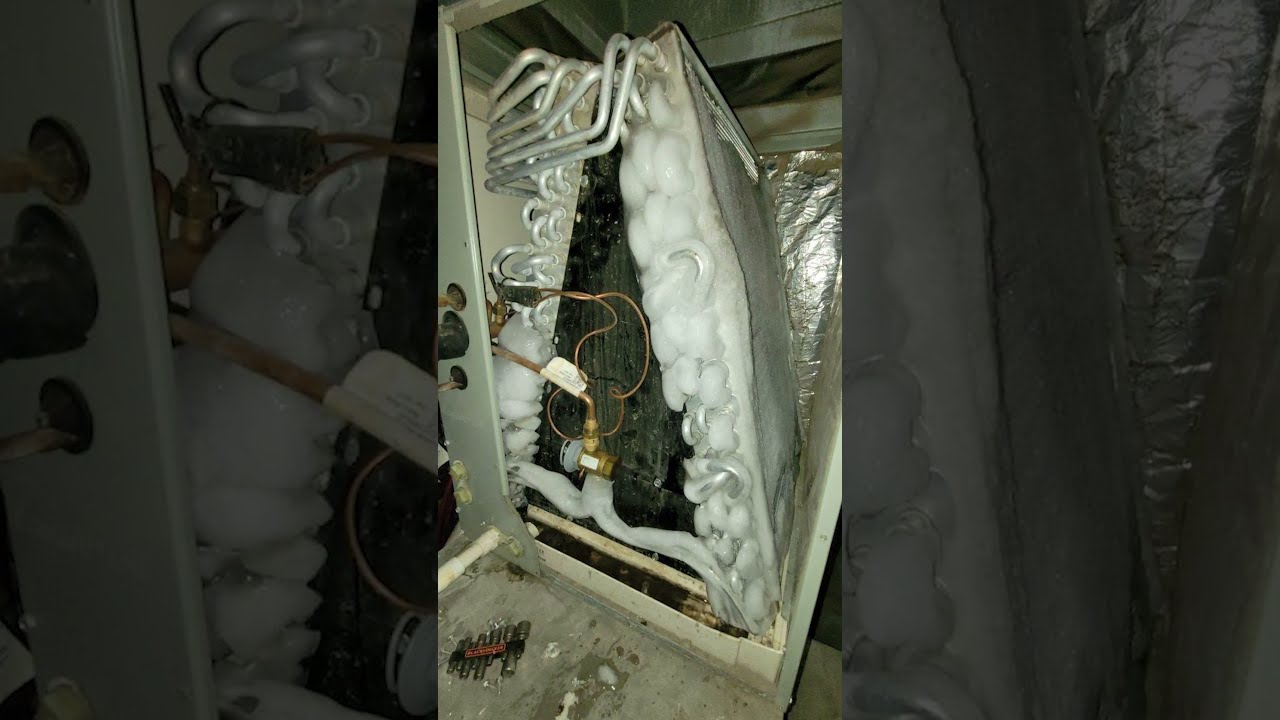
4. Frozen evaporator coil
Symptoms: Ice buildup on the indoor unit or refrigerant lines, weak cooling once ice forms.
Troubleshooting steps:
Turn the unit off to allow ice to melt. After thawing:
- Inspect airflow: Clean filters and ensure no blockages in vents or return grilles. Check refrigerant pressure: Low refrigerant causes coils to freeze; professional service is required. Fan operation: Ensure indoor fan spins freely and is not obstructed.
5. Strange noises
Symptoms: Grinding, rattling, hissing, or gurgling noises from indoor or outdoor units.
Troubleshooting steps:
- Loose panels or debris: Turn off power and inspect for loose screws, panels or objects inside the outdoor unit. Vibrations: Ensure outdoor unit is on a stable, level surface. Replace or tighten mounting pads. Compressor or motor noises: Grinding or loud hums may indicate failing bearings or compressor issues—these require prompt air conditioning repair. Hissing: May indicate a refrigerant leak—stop using the system and contact a licensed technician.
6. Water leaks and condensation
Symptoms: Water dripping from indoor unit, stains on ceilings, standing water near indoor or outdoor units.
Troubleshooting steps:
- Blocked drain line: A clogged condensate drain is a common cause. Use a wet/dry vacuum on the drain access point or call an HVAC technician to clear it safely. Improper installation or slope: Ensure drain pans are correctly sloped. Poor installation may require correction by an air con installer. Frozen coil: Melting ice can overflow the drain pan; troubleshoot the freezing cause as above.
Routine air conditioner maintenance to prevent problems
Regular maintenance reduces breakdowns and keeps energy costs down. For homeowners in Parramatta NSW, schedule an annual or biannual air conditioning service, timed before peak summer and after heavy pollen seasons.
Recommended maintenance tasks:
- Clean or replace filters monthly: During high-use months, inspect filters every 2–4 weeks. Clear outdoor unit: Remove leaves, mulch, and grass clippings within a 50 cm radius and trim foliage. Inspect electrical connections: Tighten loose terminals and check wiring for overheating signs during service. Professional tune-up: Annual servicing by a licensed air con installer includes refrigerant checks, coil cleaning, calibration, and safety inspections.
When to call a professional air con installer or technician
Contact a licensed air conditioning repair technician in Parramatta when you encounter any of the following:
- Evidence of refrigerant leaks (hissing, oil stains, or continuous cooling loss). Electrical issues such as repeated tripping breakers, burning smells, or visible damaged wiring. Compressor failures, loud mechanical noises, or suspected motor faults. Complex ductwork repairs, major refrigerant recharges, or installation changes.
Choosing a reputable local provider ensures compliance with Australian regulations and safety standards. Ask about licensing, insurance, and a clear written quote. Many Parramatta air conditioning service companies offer emergency repairs, preventive maintenance packages, and professional air conditioning installation services for new systems or replacements.
Tips for selecting and preparing for service in Parramatta NSW
Preparing before the technician arrives makes service faster and often less costly:
- Document the symptoms, fault codes and recent changes to settings or usage patterns. Clear access to indoor units, outdoor units, and main switchboard panels. Ask for a written estimate and parts warranty. Confirm whether refrigerant work requires additional certification. Consider timing: schedule maintenance outside peak summer months when technicians are less busy.
Energy efficiency and long-term considerations
Efficient systems reduce running costs and have lower failure rates. If your system is older than 10–15 years or requires frequent repairs, consider consulting an air con installer about replacement options. Modern systems offer improved SEER ratings, inverter technology, and smart thermostats that enhance comfort and efficiency. From 2025 onwards, expect more emphasis on low-GWP refrigerants and stricter environmental requirements — consult a licensed technician for future-proof installations compliant with Australian regulations through 2026 and beyond.
Final advice
Many common air conditioning problems can be diagnosed and sometimes corrected at home, but safety and regulatory considerations mean professional air conditioning repair and refrigerant work should be left to licensed technicians. Regular air conditioner maintenance and timely air conditioning service in Parramatta NSW keep https://zenwriting.net/ciarameamo/parramatta-renovations-planning-hidden-air-conditioning-installation systems running reliably and efficiently. When in doubt, contact a local air con installer with clear notes on the symptoms and any DIY steps already taken to speed up diagnosis and repair.